Welcome
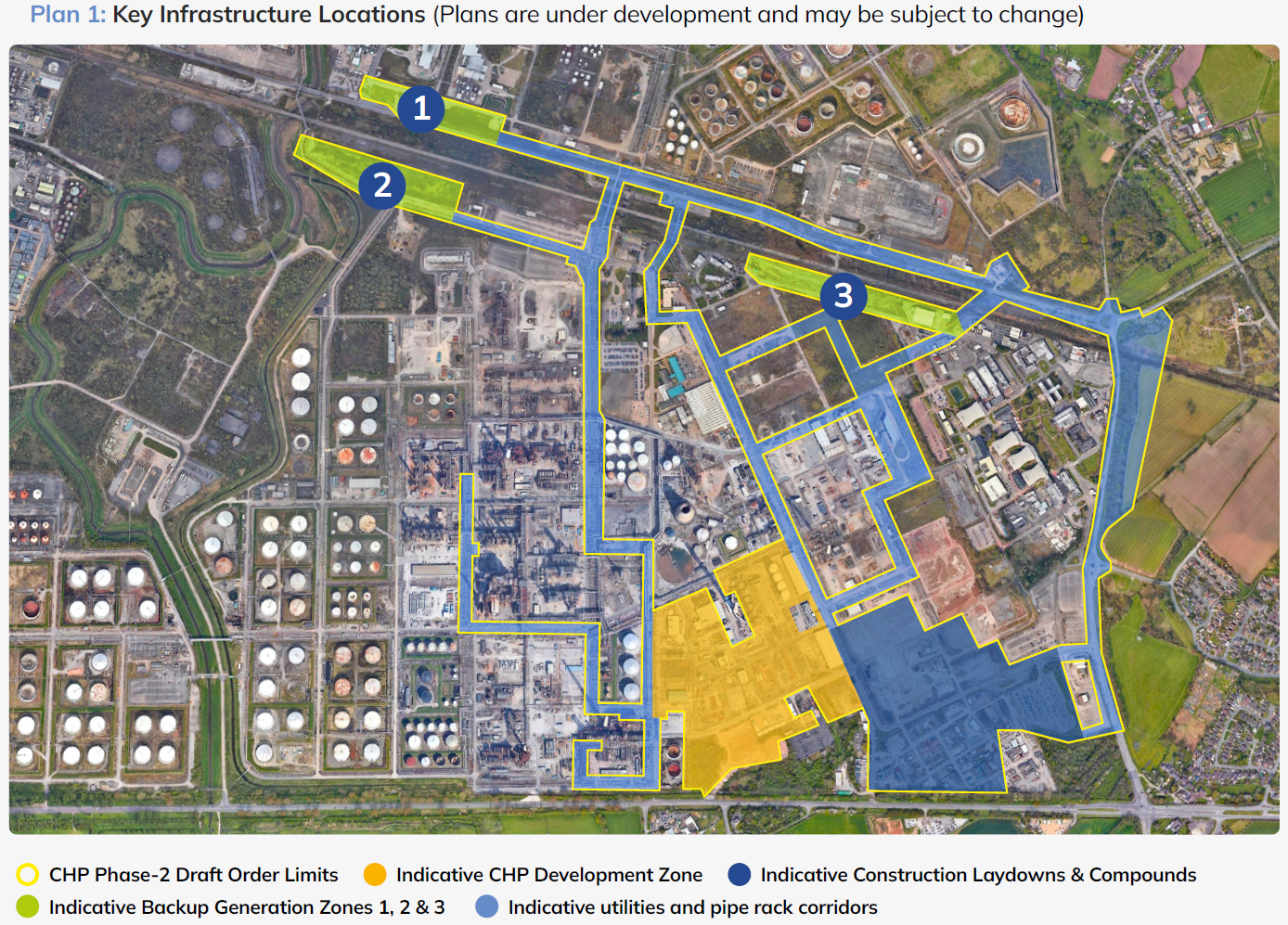
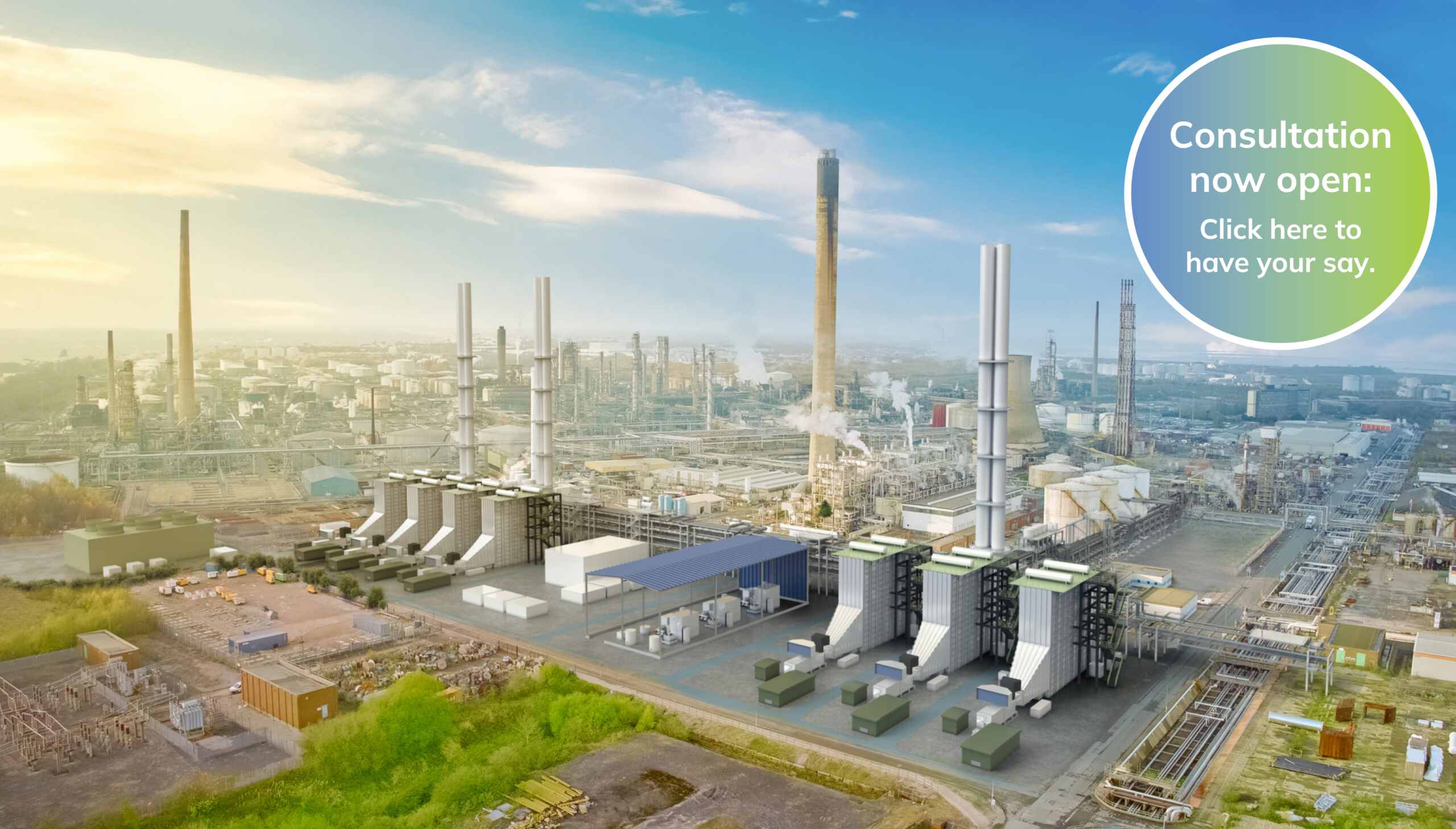
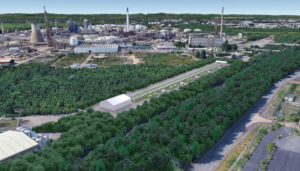
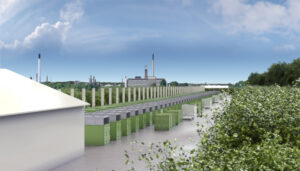
Essar Energy Transition Fuels (EET Fuels) is proposing a new Hydrogen-Ready Combined Heat and Power (CHP) facility at the Stanlow Manufacturing Complex (’the refinery’).
The proposed development would support the decarbonisation of Stanlow Manufacturing Complex and wider surrounding industries. It would enable the replacement of existing fossil-fuelled steam and electricity production facilities with those capable of burning 100% hydrogen and provide low carbon power to nearby industrial facilities.
About EET Fuels
EET Fuels, the trading name of Essar Oil (UK) Limited (company number 15928581), part of Essar Energy Transition, owns and operates the refinery, which plays an important role in the UK’s energy infrastructure, supplying the fuels and energy products that help keep people and businesses moving. Today, the refinery supplies 18% of the UK’s transport fuel and 12.5% of the nation’s aviation fuel.
It is also an important part of the local and regional economy, supporting over 3,800 direct and indirect jobs, along with 110 apprentices and graduates. The refinery contributed an estimated £336 million to the UK economy in 2025, including £118 million to the regional economy.*

*Source: Jobs figures include direct + indirect + induced figures quoted from Essar Energy Transition GVA report produced by Nexant 2026.
The proposed development
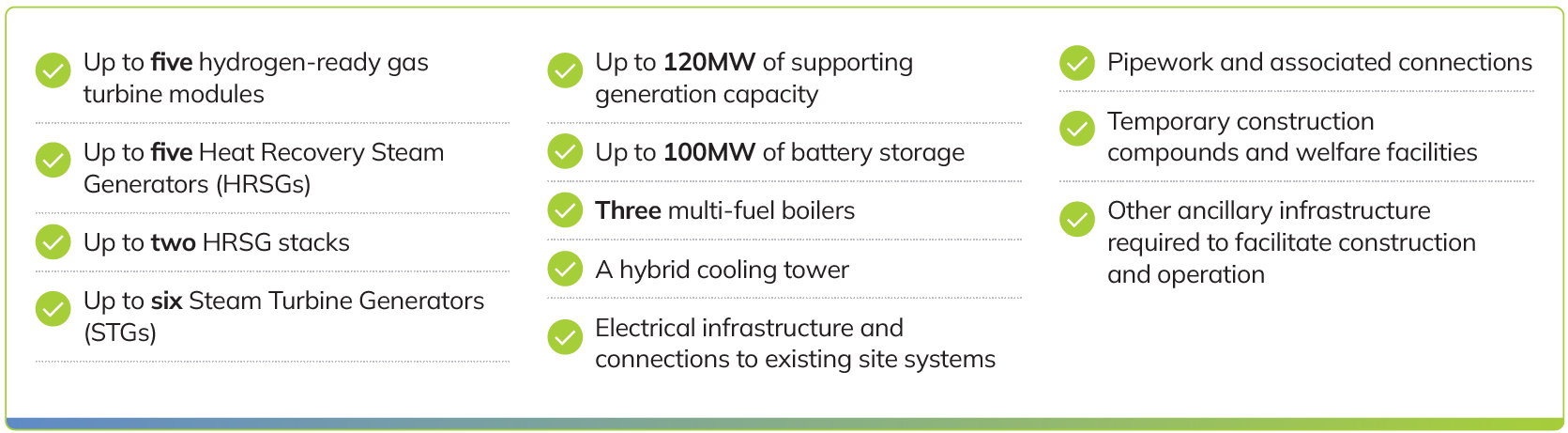
The Proposed Development would involve the construction and operation of new hydrogen-ready gas turbines, steam turbines and heat recovery steam generators. Together, this new equipment could contain up to 560MW of installed generating infrastructure. This is the maximum combined capacity of the individual generating units. The facility is expected to provide around 200MW of firm operating power to the refinery, to maintain existing site operations, while supporting future decarbonisation projects. The new generating infrastructure would be capable of using 100% hydrogen in the future.
The proposed development is expected to include:
Why is the development needed?
The proposed development is intended to support the long-term decarbonisation of Stanlow Manufacturing Complex and the wider industrial cluster in North West England.
The project would:
Enable industrial decarbonisation
The facility would help power hydrogen production and other low carbon technologies at Stanlow Manufacturing Complex, supporting wider efforts to reduce emissions from industry.
Modernise existing infrastructure
The project would replace and upgrade parts of the site’s ageing energy infrastructure, improving operational reliability and environmental performance.
Support net zero
The facility has been designed to support the transition from conventional fuels to hydrogen as lower carbon fuel supplies become available.
Provide reliable energy
Industrial facilities require a continuous and secure energy supply. The project would provide dependable power and steam while supporting the wider transition to cleaner energy sources.
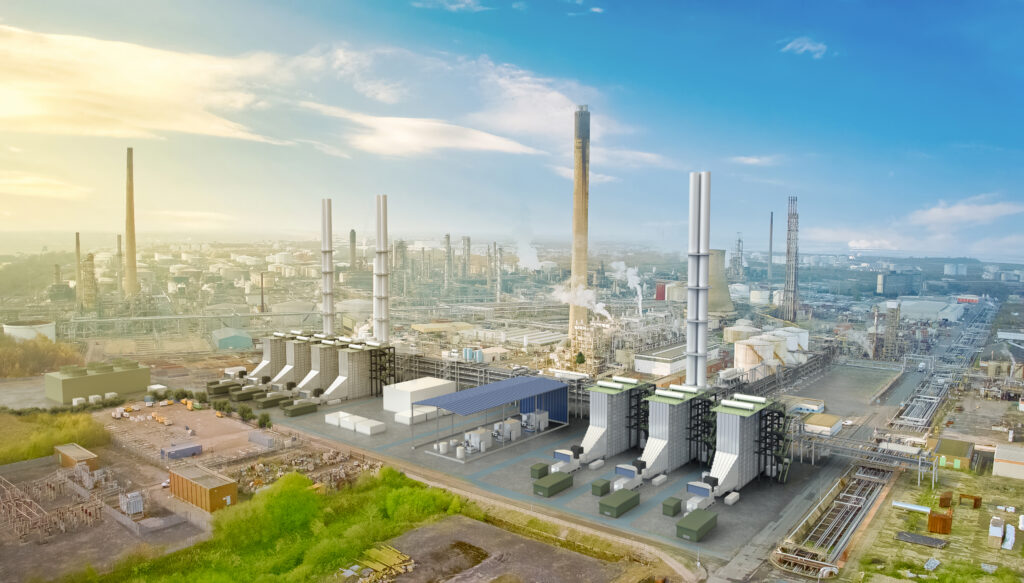
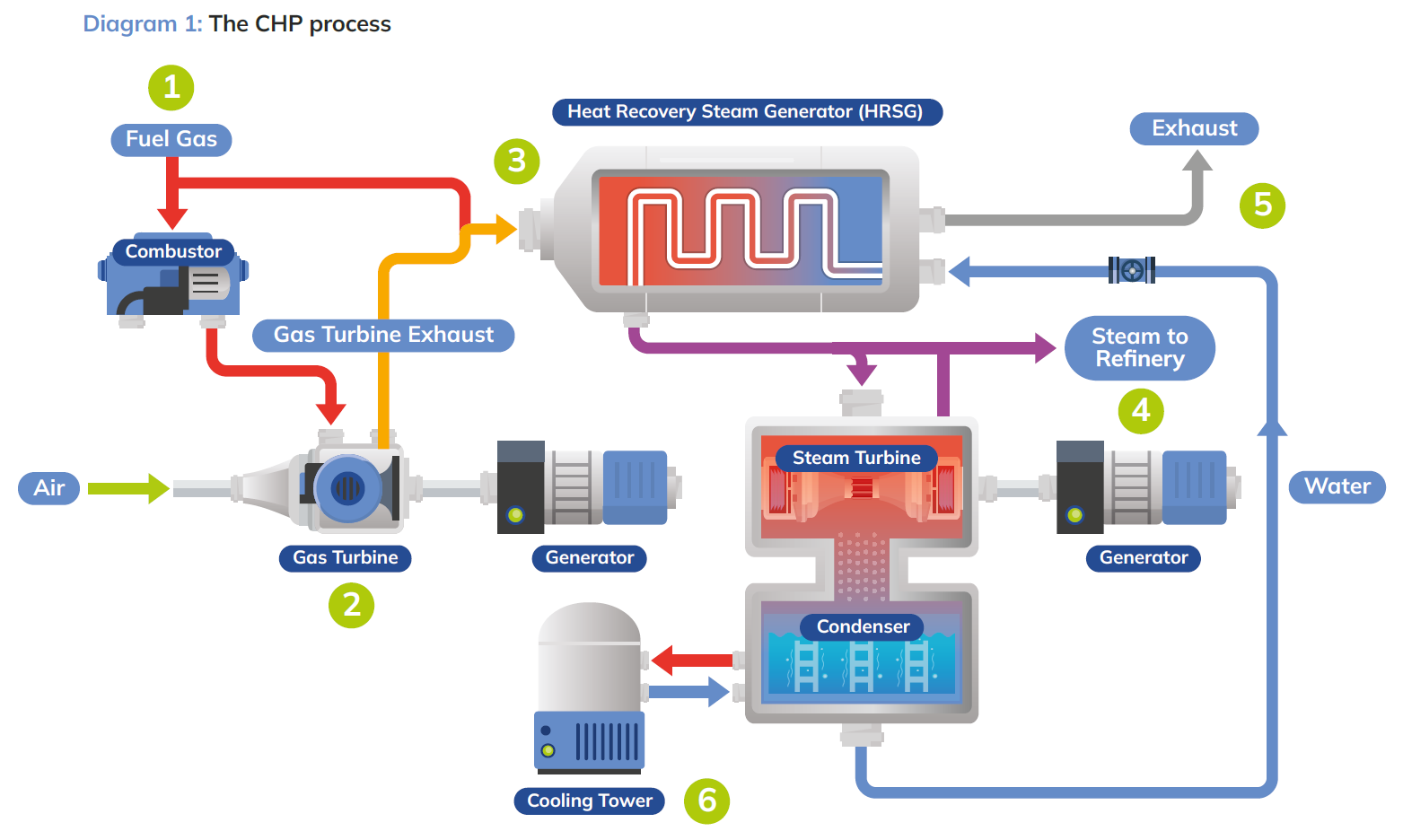
How the CHP facility would work
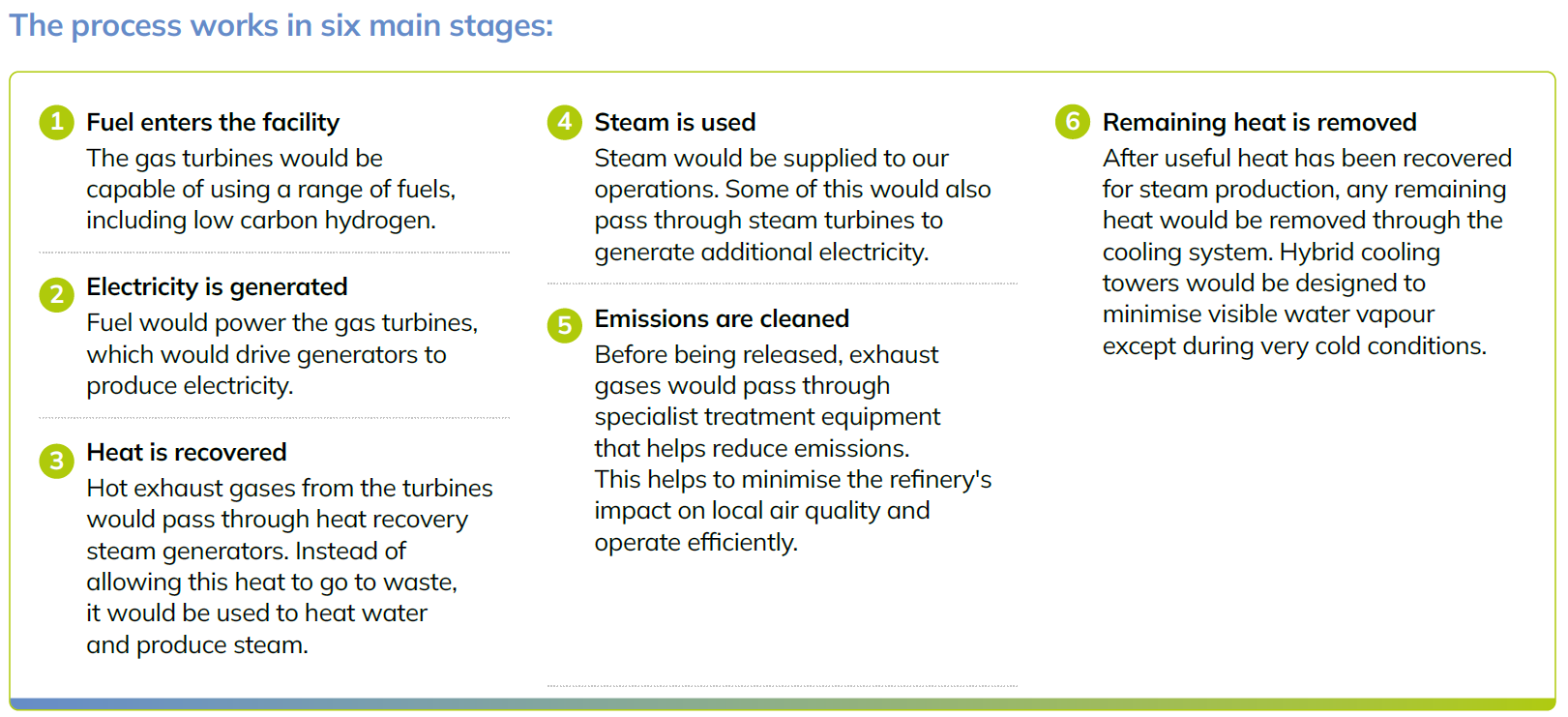
The DCO process
As the project will generate more than 50MW of power, it is classed as a Nationally Significant Infrastructure Project (NSIP) and requires consent via the Development Consent Order (DCO) planning process. The DCO process provides a dedicated framework specifically designed to address the complexities associated with large, complex energy projects (as well as other project types).
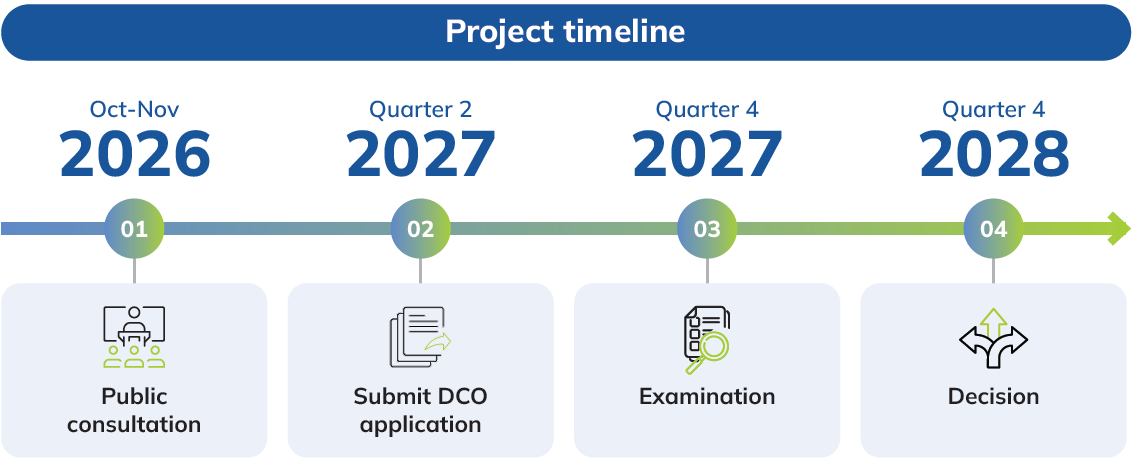
The project is currently at the pre-application stage. Applications for DCOs are examined independently by the Planning Inspectorate (PINS). Following an Examination of the project, which typically takes place over a six month period, the Planning Inspectorate will make a recommendation to the Secretary of State for the Department for Energy Security and Net Zero, who will decide whether or not to grant the DCO.
Consultation is an important part of the DCO process as it enables everyone to comment on the proposals. The feedback received, along with further technical work and environmental studies, will inform the development of our proposals ahead of the submission of our DCO application to the Planning Inspectorate.
For further information about the DCO process please refer to PINS website here.
EIA process
As part of the DCO process, we are carrying out an Environmental Impact Assessment (EIA) to assess the likely significant effects (both positive and negative) the Project could have on the environment and local communities.
These ongoing environmental assessments, technical work and surveys, along with feedback from this consultation, will help to further refine our proposals. This includes identifying appropriate mitigation measures to avoid, reduce, mitigate or offset any likely significant negative effects that are identified
The final results of these assessments will be presented in an Environmental Statement, which will accompany the DCO application.
The EIA considers a wide range of topics such as landscape and visual, biodiversity, cultural heritage, flood risk, traffic, noise and other considerations.
Next steps and timeline
Our consultation
We are seeking your views on the Proposed Development. Feedback received from local communities and stakeholders will play an important role in informing and refining the proposals as they continue to evolve prior to submission of the DCO application. The consultation will run from 20 October to 18 November 2026, and we encourage participation from the local community and stakeholders. The deadline for submitting a response is 23:59 on Wednesday 18 November 2026.
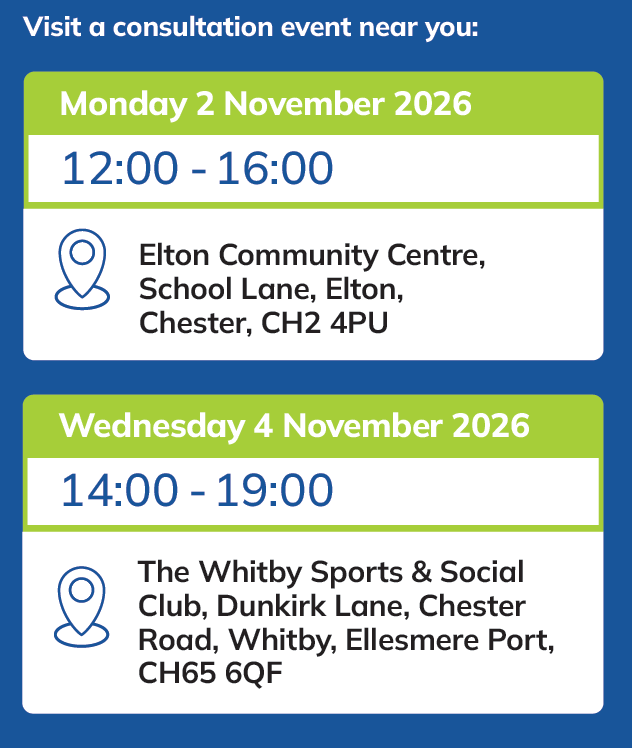
We are hosting two in-person events as part of the consultation.
You can share your feedback by completing the online form click here
Alternatively, you can email your feedback to: H2Power@eetfuels.com
Or, send a written response using our freepost mailing address to: Freepost CHP2.